AI won't wait for the grid: Neither should you
 Print
PrintUtility connection delays, aging transmission infrastructure and soaring electricity demand have been forcing US data center operators to rethink how they bring new capacity online – and that was before the accelerating demands of AI infrastructure. Compounding the challenge is pressure to make infrastructure more sustainable, something that seems to contradict supporting high-performance computing. It’s a paradox we unpack in the Rehlko 2026 Powering Impact™ Report.
The choice for operators isn’t between speed to power and sustainability, it’s about designing energy infrastructure that delivers both. Rather than treating onsite generation as a temporary workaround, consider it part of a long-term strategy for building resilient, flexible power systems capable of supporting AI workloads today, while adapting to tomorrow's lower-carbon energy landscape.
The report combines customer deployments with our own operational progress to demonstrate how organizations are already achieving this balancing act without sacrificing commercial performance. There are two sides to this: power equipment that is the great enabler and an energy strategy that protects the investments.
Driving Efficiency and Environmental Benefits
Proof points with our customers show that this is more than theory. By choosing our equipment they are seeing tangible benefits around cost savings and environmental impact. Green Mountain's LON-East data center in the UK, for example, is running Rehlko's modular MF Series UPS to achieve 97.4% efficiency, helping deliver annual savings of more than $310,000 USD. Because the system has PEP ecopassport certifications, it is helping Green Mountain align with sustainability goals as well as cost saving targets.
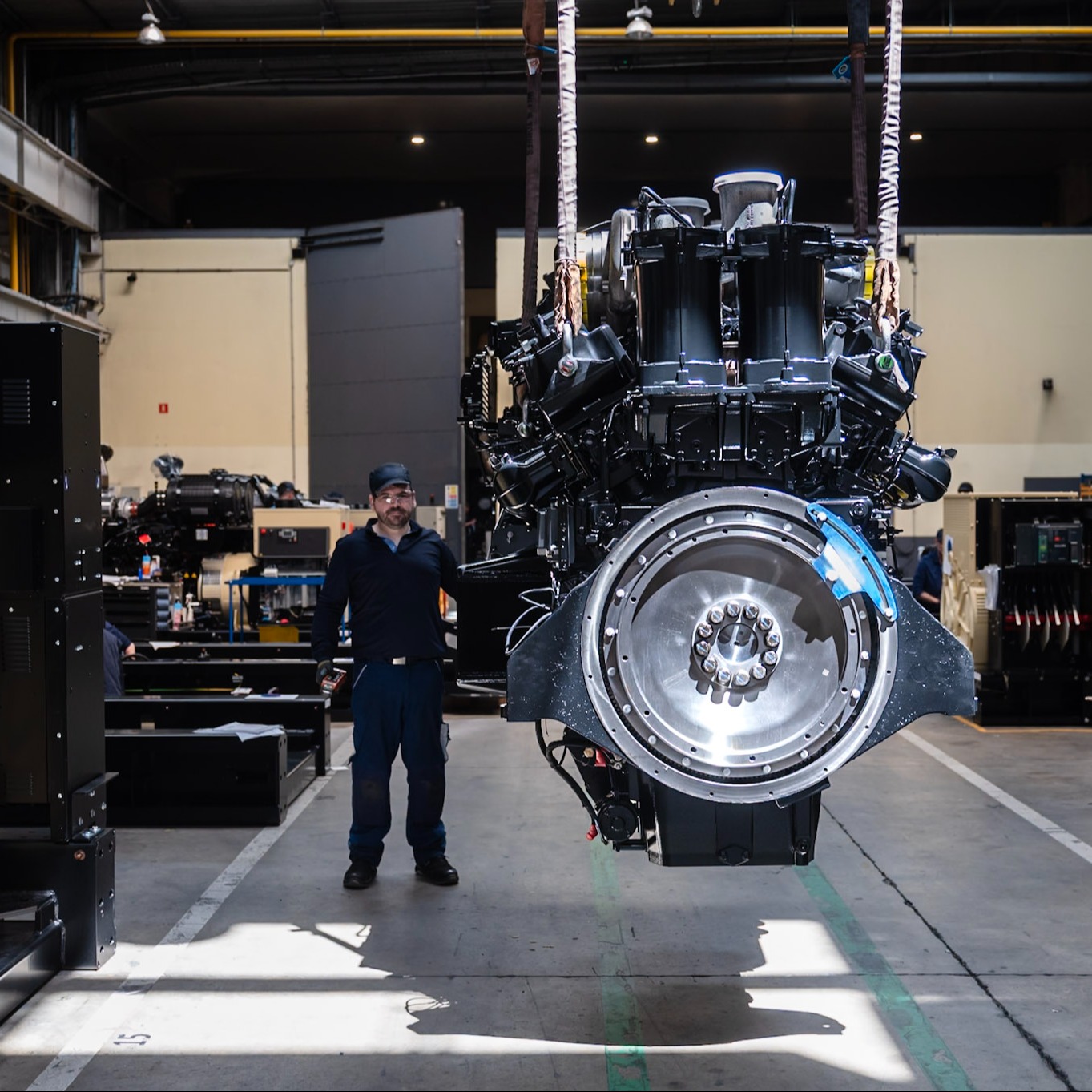
To achieve a goal of a 38% carbon reduction by 2030, Data4 invested in our KD Series generators. Designed for efficiency and future proofing, the range incorporates enhanced engine designs that support the future adoption of alternative fuels like hydrogen and ammonia. The generators come with EVPs (Environmental Product Declarations), backed by PEP ecopassport certification.
Access to transparent embodied carbon data is becoming increasingly important as investors, customers and regulators scrutinize infrastructure decisions more closely. Although the PEP ecopassport isn't a US-recognized certification scheme, the EPDs it produces are internationally portable (ISO 14025 / EN 15804 compliant) and are generally accepted in the US for green building credits and corporate sustainability reporting.
Emission Reduction Without Sacrificing Resilience
We have also been working with Digital Realty to validate the use of HVO100 renewable fuel in backup generators at its PAR8 facility in France. Successful compatibility testing supports wider deployment of lower-carbon fuels across its portfolio and has demonstrated that emissions reductions can be achieved without sacrificing resilience.
Naturally, we are our own first customer and walk the talk. Internal company benefits include a 19.6% reduction in Scope 1 and 2 greenhouse gas emissions compared to our 2023 baseline. Operational waste diversion reached 81.2%, and we have achieved 1.7 GW of renewable energy and grid support capacity since launching our sustainable value creation initiatives.
The Powering Impact Report also points to our work with future technologies that are already moving beyond the laboratory. We are collaborating with Toyota Motor North America on the development of a 1 MW hydrogen fuel cell generator, illustrating how zero-emission backup power could become a practical option for future data center deployments.
The Importance of Strategic Oversight
Addressing the power crunch with leading-edge equipment is part of the story. Navigating the challenges that data centers face also calls for long-term strategic oversight. This is why we developed our Structured Transition Model (STM) model, which encourages operators to build infrastructure that evolves over time.
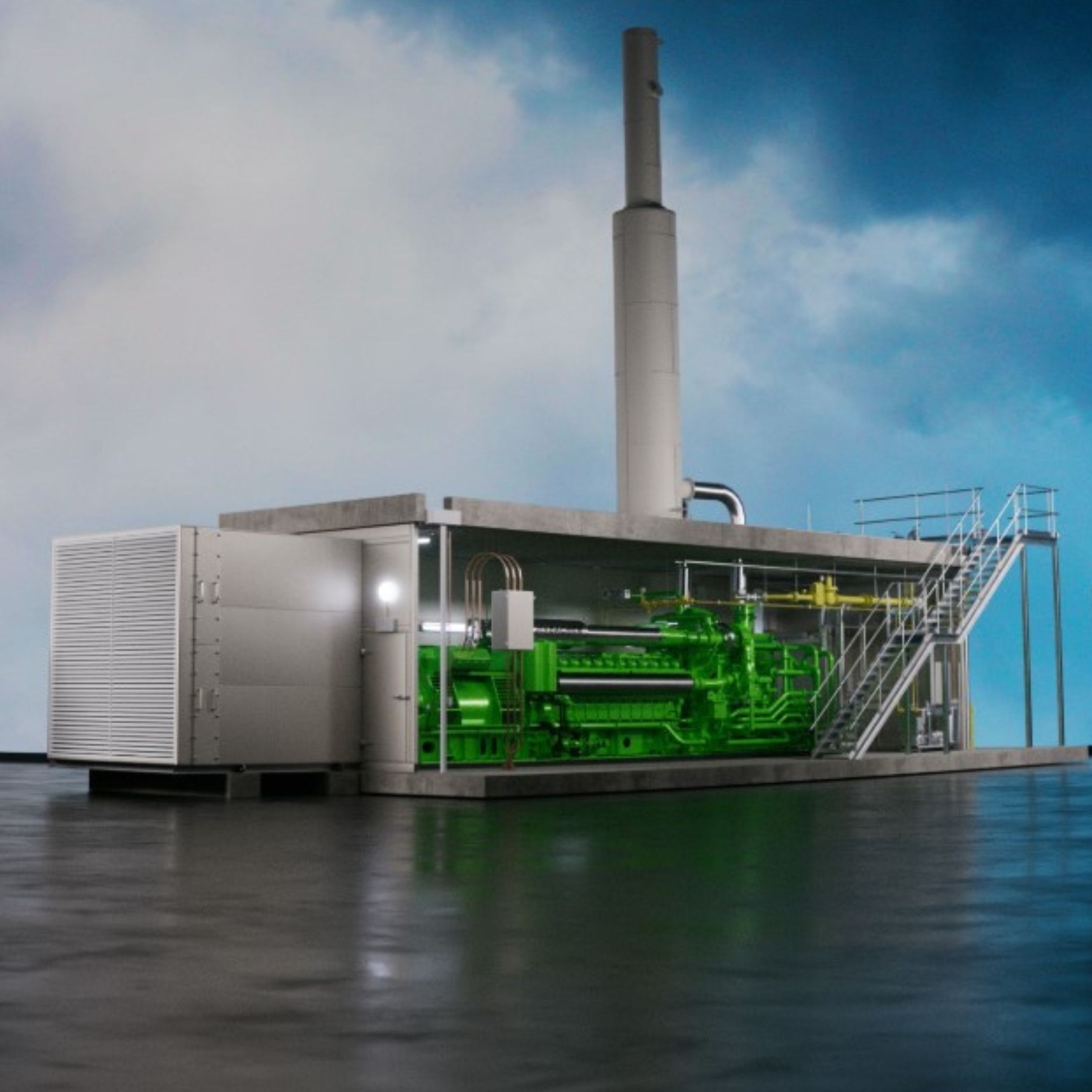
A credible decarbonization trajectory can be managed by ensuring your infrastructure is designed for a flexible transition. It helps mitigate the risk of making investments that quickly becomes obsolete as environmental regulations tighten or cleaner technologies mature. That journey might begin with proven natural gas or HVO-compatible diesel systems to secure immediate capacity, before integrating battery energy storage to improve resilience and manage peak demand.
As renewable natural gas, hydrogen and other fuels become commercially viable, operators can transition without replacing entire power systems. The ultimate objective is a pathway toward deep decarbonization while avoiding stranded assets and unnecessary technical debt. For AI facilities expected to operate for decades, it’s a flexibility that will prove to be just as valuable as today's speed to deployment.
Better Decisions Through Better Data
Technology alone won't solve the power challenges. Operators also need confidence that they are making the right investment decisions for their specific location, grid conditions and sustainability objectives.
To support this, we developed the Power Impact Intelligence platform, which includes tools such as an Environmental Product Declaration Carbon Calculator and a Decarbonization Modeler. Rather than relying on generic assumptions, these tools allow customers to compare technologies, evaluate embodied carbon, and assess transition pathways using regional data.
These tools translate sustainability from an abstract endpoint into a practical execution plan. They help you answer the tough questions about which fuel or technology makes the most sense for your specific location and grid conditions.
At a time where every major infrastructure decision carries long-term financial and environmental implications, turning sustainability into measurable engineering data is becoming a competitive advantage.
Powering AI's Next Chapter
The AI boom has fundamentally changed how data center owners think about energy. Grid capacity will remain a constraint for years, yet market demand continues to accelerate.
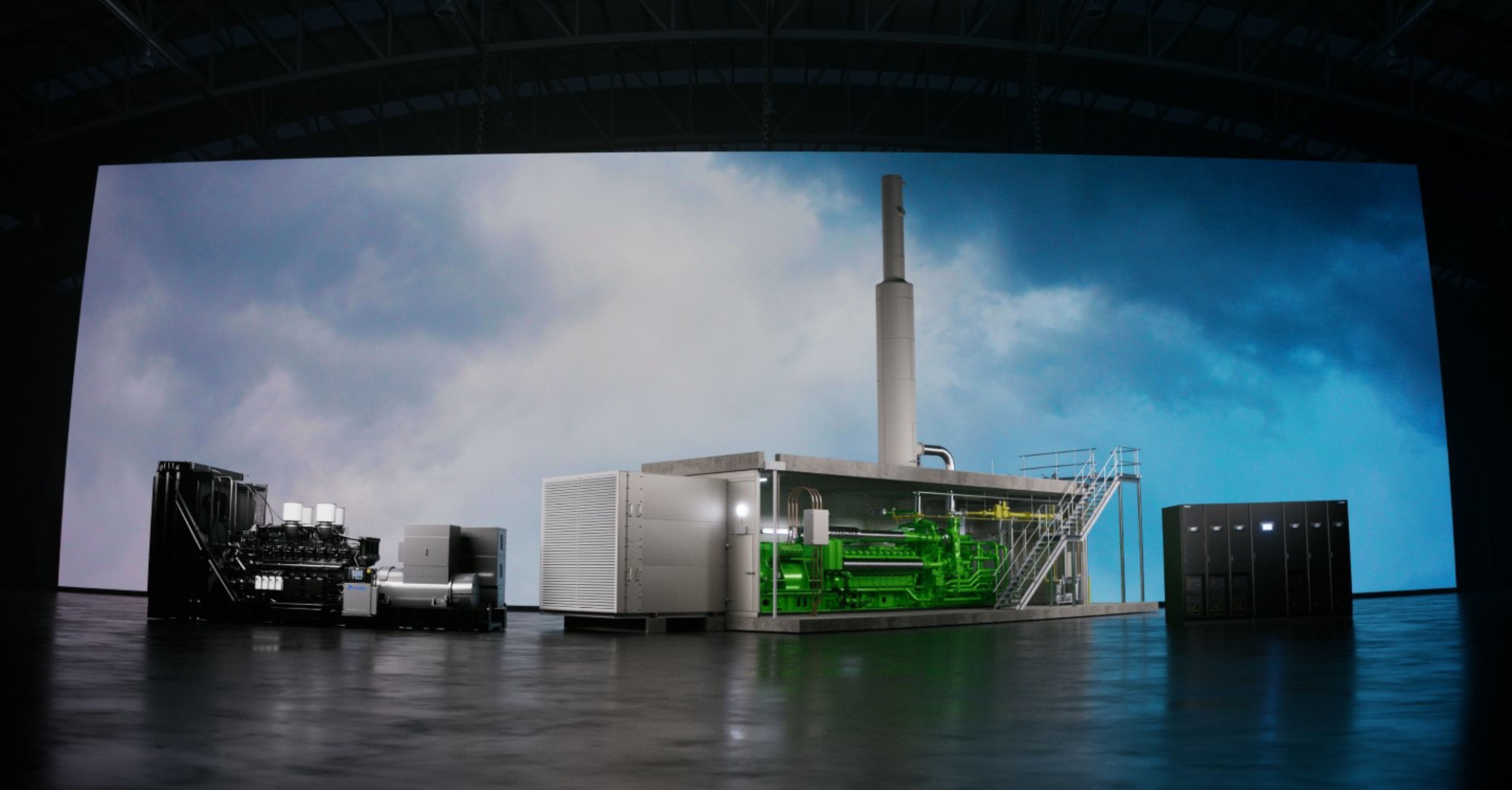
The Powering Impact Report suggests that success will belong to operators who treat energy resilience as a strategic capability rather than simply an infrastructure requirement. By combining modular power systems, flexible fuel strategies, digital planning tools and a phased decarbonization roadmap, Rehlko presents a model designed to help data centers expand today while remaining adaptable for the future.
For operators facing mounting AI demand and uncertain grid timelines, the good news is that the fastest path to new capacity doesn't have to come at the expense of long-term sustainability. With the right architecture, both objectives can be achieved.